

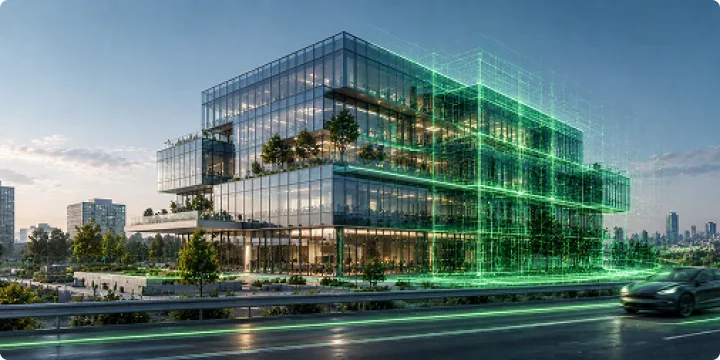


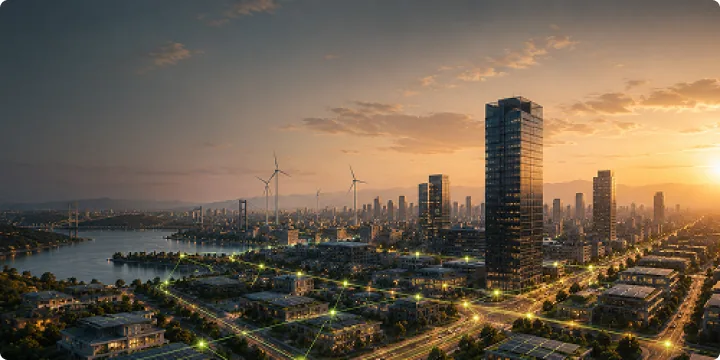
Contributing to sustainable transformation
By addressing energy, mobility and digitalisation together,
we work for more efficient, low-carbon and resilient living spaces.
The Scale of Sustainable Transformation
The transformation of the built environment and mobility
offers a significant opportunity to reduce energy and carbon impact
-
28%*28% of global energy consumption comes from buildings. Increasing energy efficiency in buildings and managing energy more effectively is one of the fundamental areas of sustainable transformation.
* UNEP Global Status Report for Buildings and Construction 2025–2026
-

37%*37% of global CO₂ emissions are related to the building and construction sector. Improving energy performance in the built environment and spreading low-carbon energy solutions constitutes a major area of impact.
* UNEP Global Status Report for Buildings and Construction 2025–2026
-
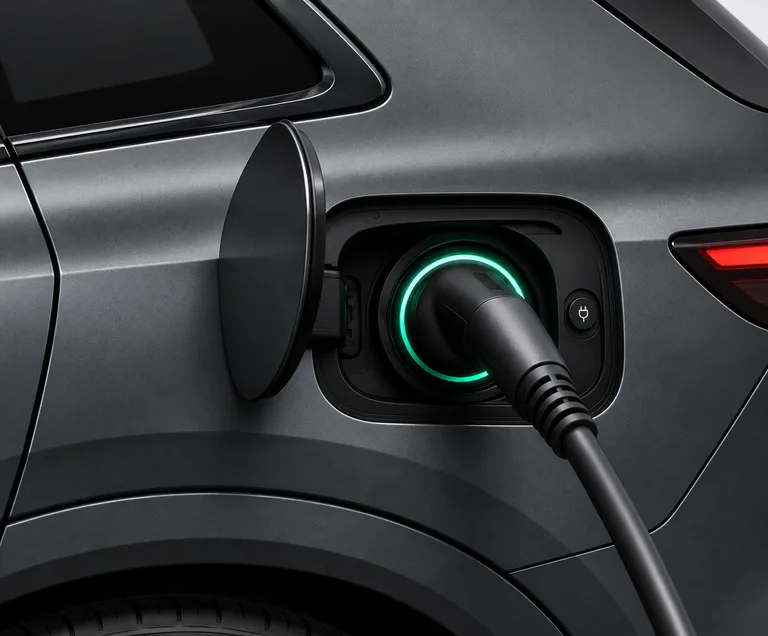
20%+*More than 20% of new cars sold in Türkiye in 2025 were electric. The electrification of mobility makes it increasingly important to think about charging infrastructure and the energy needs of living spaces together.
* IEA Global EV Outlook 2026
Our Sustainability Focus Areas
We address our sustainability approach under three headings
directly related to our current activities and development focus.
Clean Energy in the Energy Transition
Clean Energy in the Energy Transition
From on-site generation to electrification, from district heating and cooling to lower-carbon energy use.
On-site clean energy generation, microgrid, energy management and storage solutions in buildings and facilities are among our development areas for managing energy more effectively where it is generated and consumed.
With our current e-mobility activities we contribute to the spread of electric transport and attach importance to considering charging infrastructure together with the energy systems of living spaces.
- Microgrid
- Energy Management
- Energy Storage
- Sharing Economy
- E-Mobility
Resource Efficiency & Circularity
Resource Efficiency and Circularity
Consuming fewer resources, using them more effectively and preserving their value for longer.
We see measuring and managing energy, water, raw materials and operational processes as a fundamental step towards making resource use visible and identifying efficiency opportunities.
The transition from linear usage models to more efficient and circular approaches is among the development areas in our future focus.
- Energy
- Water
- Circular Economy
- Sharing Economy
- Raw Materials
- Process
Sustainable & Resilient Living Spaces
Sustainable & Resilient Living Spaces
Living spaces that are better managed through technology and can adapt to changing needs.
On-site clean energy generation, microgrid, energy management and storage solutions in buildings and facilities are among our development areas for managing energy more effectively where it is generated and consumed.
With our current e-mobility activities we contribute to the spread of electric transport and attach importance to considering charging infrastructure together with the energy systems of living spaces.
- Smart Cities
- Facilities & Campuses
- Smart Buildings
- Smart Residential Sites
Sustainability in Numbers
We support sustainability with practices
implemented in different areas.
-
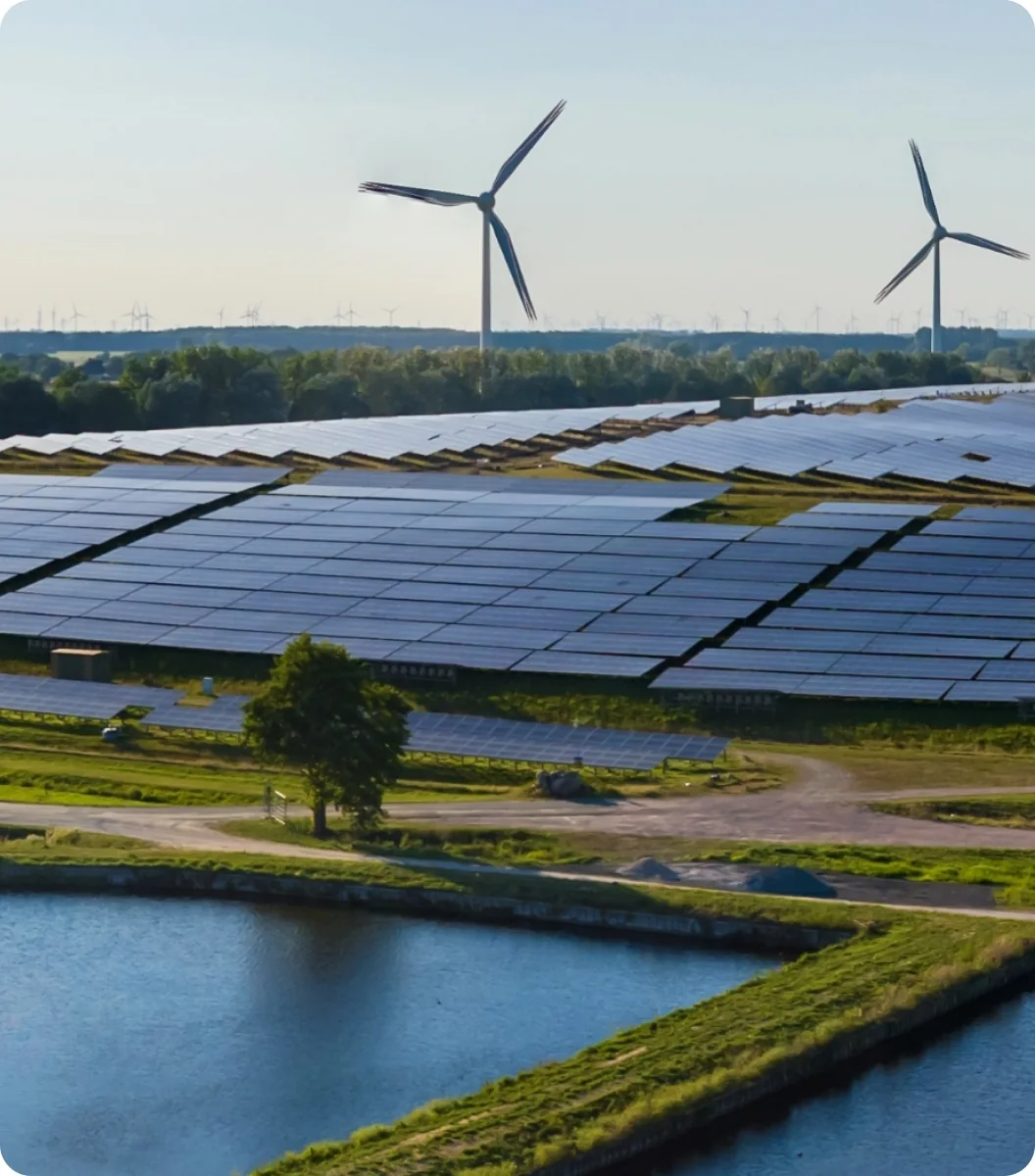 600 MWh
YEK-G Certified Clean Energy
Renewable energy certified with YEK-G (September 2026).
-
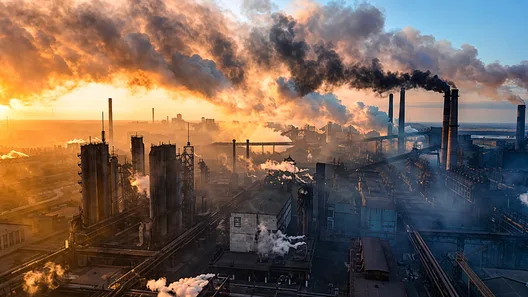 732,412 ton CO2e
Greenhouse Gas Emission Reduction Impact
* UNEP Global Status Report for Buildings and Construction 2025–2026
-
 2,456 Trees
Number of Trees Equivalent to Annual Carbon Sequestration
* The tree equivalent is calculated by dividing the calculated emission impact by the average annual carbon sequestration of one tree.
-
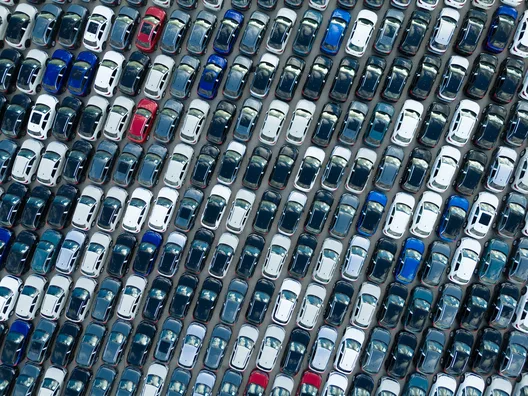 17,857 Cars
Equivalent to Cars Taken Off the Road for a Year
* The car equivalent is calculated by dividing the calculated emission impact by the average annual greenhouse gas emissions of a petrol passenger car.
Our Relationship with the Sustainable Development Goals
The United Nations Sustainable Development Goals offer a shared framework of transformation for a more sustainable and resilient future.
As EKA Enerji ve Teknoloji, we link our current e-mobility activities and our development focus on energy transition, resource efficiency and the digitalisation of the built environment to these goals. The goals below show the areas most directly related to our current activities and future focus.

Affordable and Clean Energy
On-site clean energy, microgrids and energy management are among our development areas for more sustainable energy systems.

Industry, Innovation and Infrastructure
Scalable and resilient infrastructure that brings energy and digital technologies together forms part of our future focus.

Sustainable Cities and Communities
Digital solutions at building, facility and city scale align with our vision of developing sustainable and resilient living spaces.

Responsible Consumption and Production
Measuring resource use, identifying efficiency opportunities and circular approaches are among the development areas in our future focus.

Partnerships for the Goals
Through partnerships developed with the public sector, private sector, academia and the start-up ecosystem, we support the development of joint projects and scalable solutions that bring knowledge, technology and implementation capacity together.